


Pollen arrives earlier and stays longer.
Everything used to be clearly regulated.
Spring meant pollen. Summer meant breathing freely. Autumn calm. Winter always quiet.
This order no longer exists.
Due to milder winters and longer transitional periods, hazel and alder pollen often start as early as January today. This is surprising for many allergy sufferers and a real burden for the body.
And this is exactly where the misconception lies.
Pollen prevention doesn't start in spring, but now.
Which pollens are a problem when?
Let's get a brief overview:
In Switzerland, pollen flight today looks roughly like this (yes, with more and more overlaps):
January – February
Hazel, Alder → first symptoms, often underestimated
March – April
Birch → Main allergen, very aggressive
May – July
Grasses → Classic, long-lasting
August – September
Mugwort, Ragweed → late, but intense
My personal impression: The pollen season is no longer a season. It is a permanent state with peaks.

Why is unpolluted indoor air the key to this?
You can't control much outdoors. You can indoors.
Studies and practical experience show: 80-90% of our time is spent indoors. This is exactly where pollen accumulates:
- via clothes and hair
- by ventilating at the wrong time
- via pets
- via textiles, carpets, upholstered furniture
If you do nothing here, you will breathe in pollen, even with closed windows.
How can you keep your indoor air low in pollen from January onwards?
Preventive tips against pollen in the home:
1. Start early, don't wait
As soon as the first pollen flies (i.e. now), air purification should be running. Not only when symptoms appear.
2. Ventilate correctly
-
Early in the morning (before 7 am) or in the evening after snow or rain
-
In cities, rather in the morning, in the countryside, rather in the evening
Brief shock ventilation. No permanently tilted windows.
3. Do not change clothes in the living room
Jackets, jumpers, scarves are pollen reservoirs.
It is best to take them off in the entrance area. Leave shoes outside the front door.
4. Protect the bedroom especially well
Your body regenerates at night.
A low-pollen bedroom often works better than any antihistamine.
5. Wash textiles regularly
Bed linen 1–2 times a week.
Wash hair in the evening. Yes, it makes a difference.
6. Vacuum with a HEPA filter
Otherwise, you'll just stir up pollen. Old devices are counterproductive.
7. Use active air purification
And here we are at the most effective measure.

Why are air purifiers a preventive solution and not an emergency device?
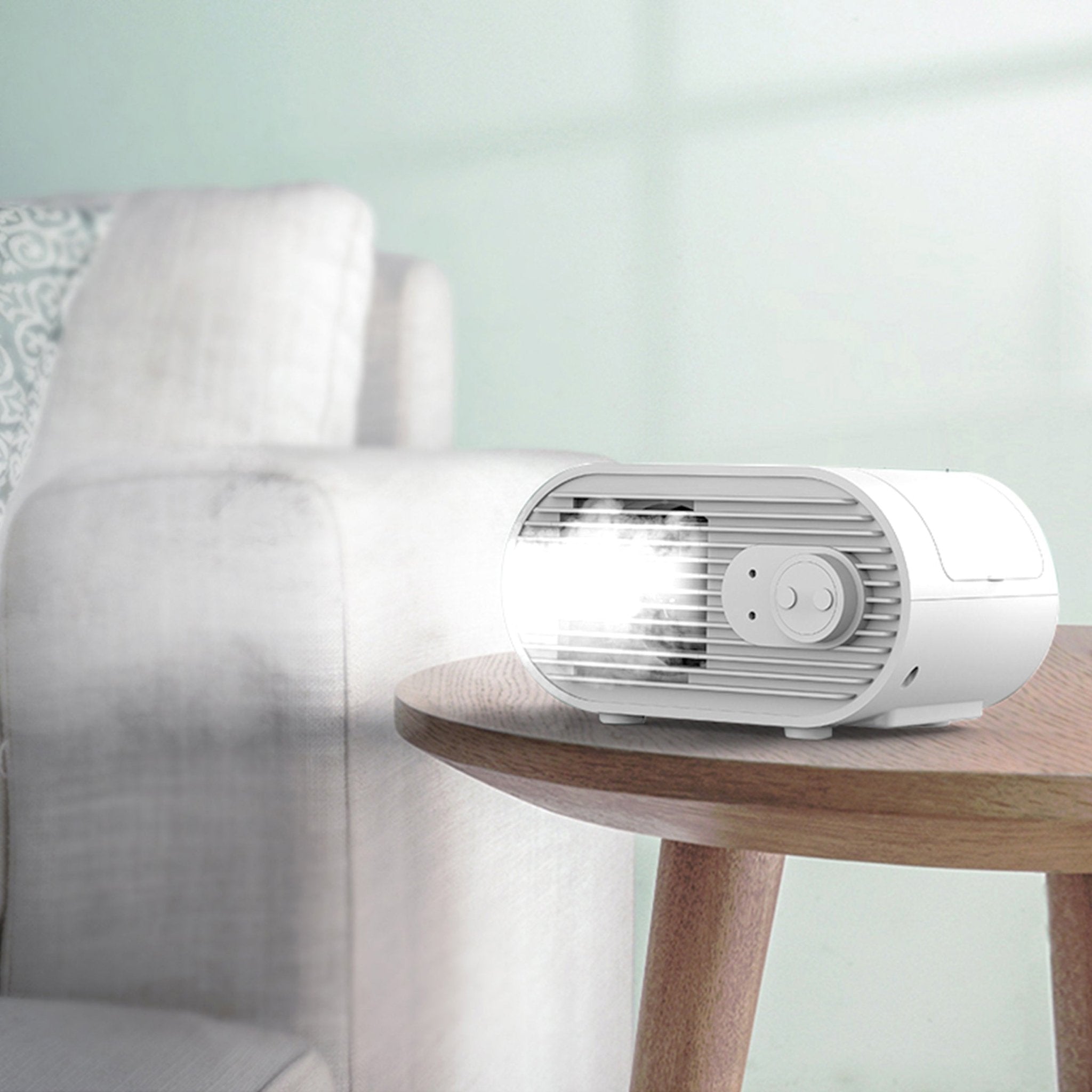
High-quality air purifiers remove:
- Pollen
- Fine dust
- Allergens
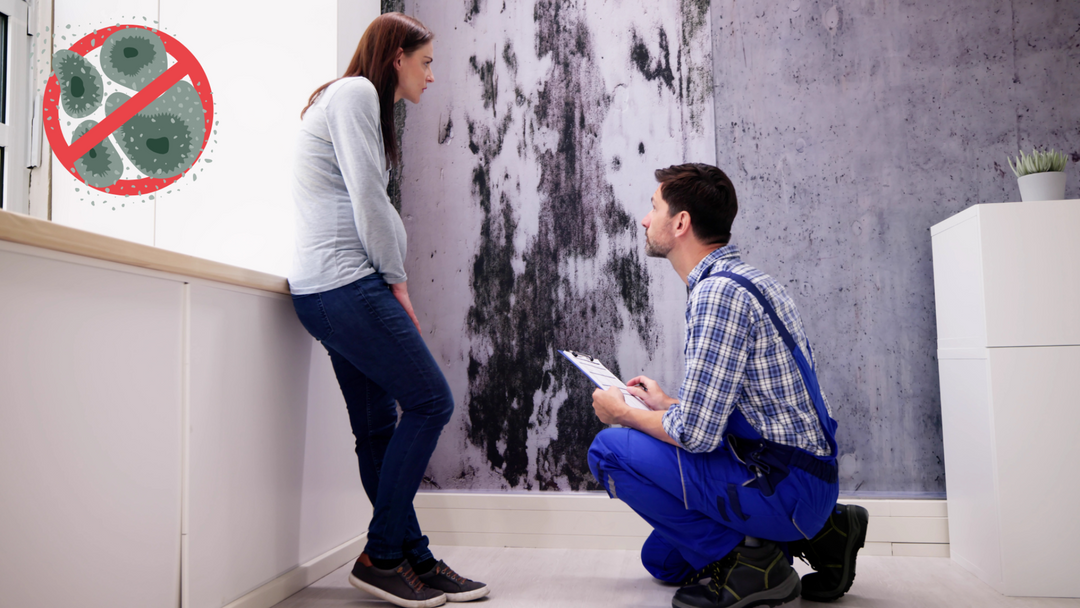
- Mould spores
From my point of view, it is clear:
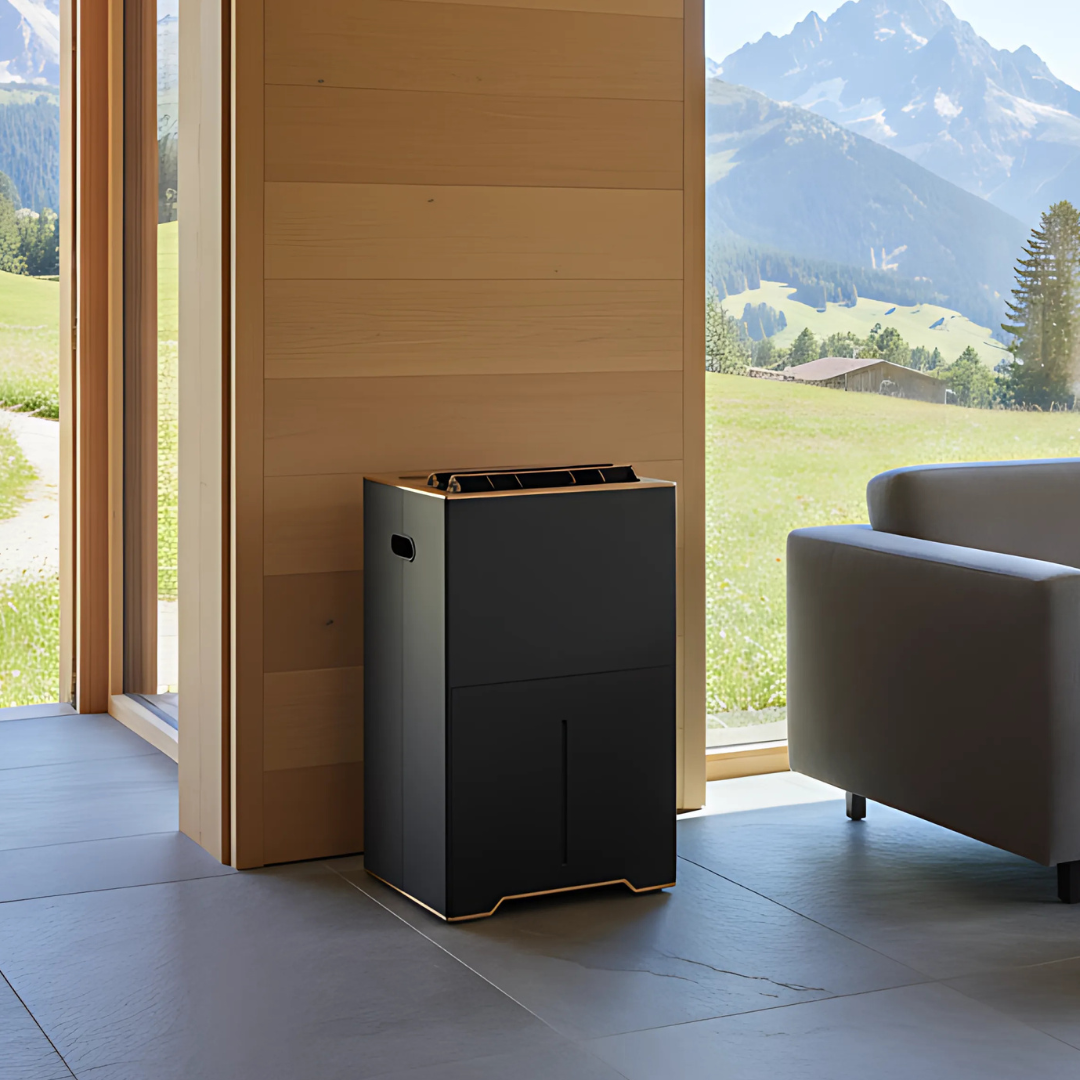
Air purifiers are not a lifestyle gadget, but health infrastructure.
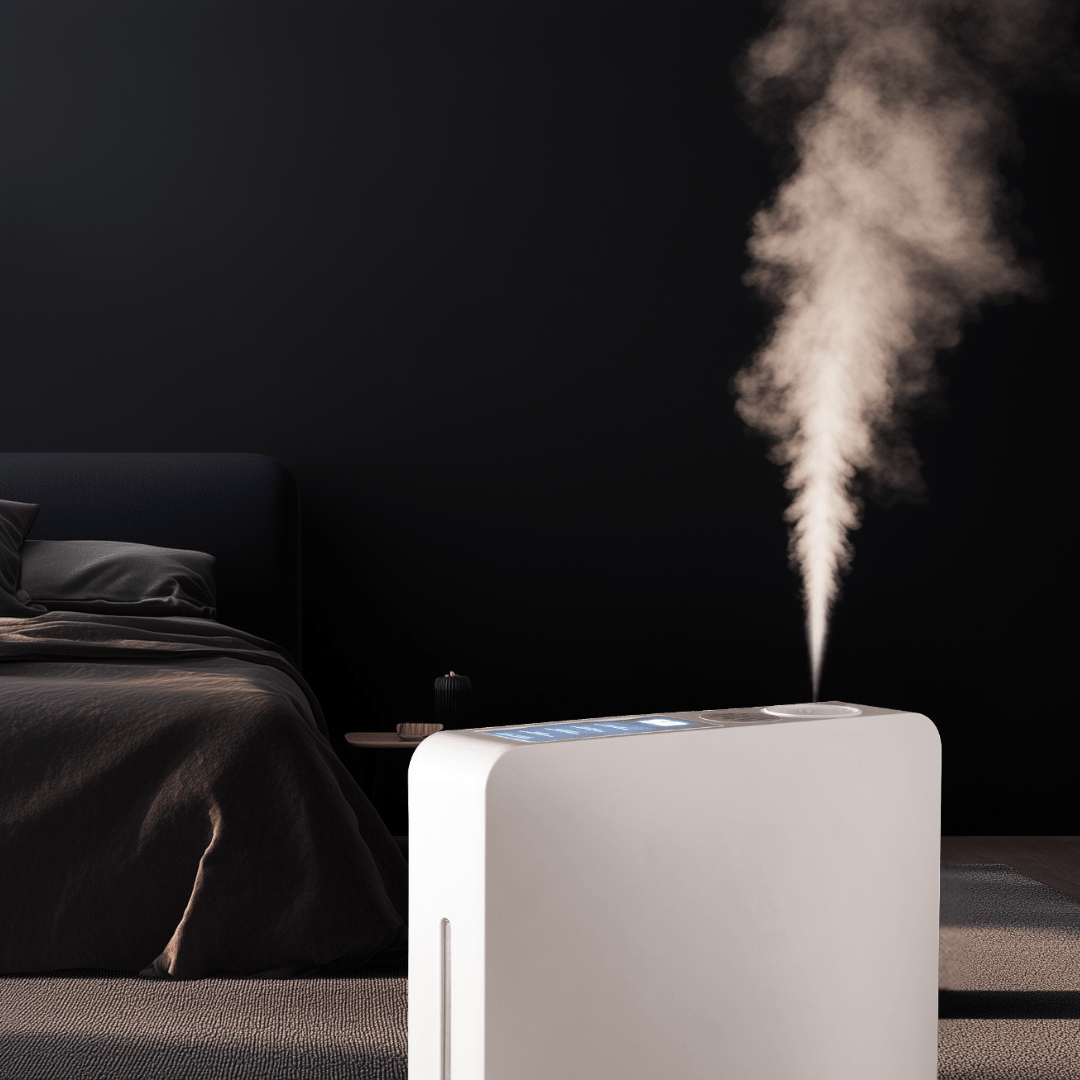
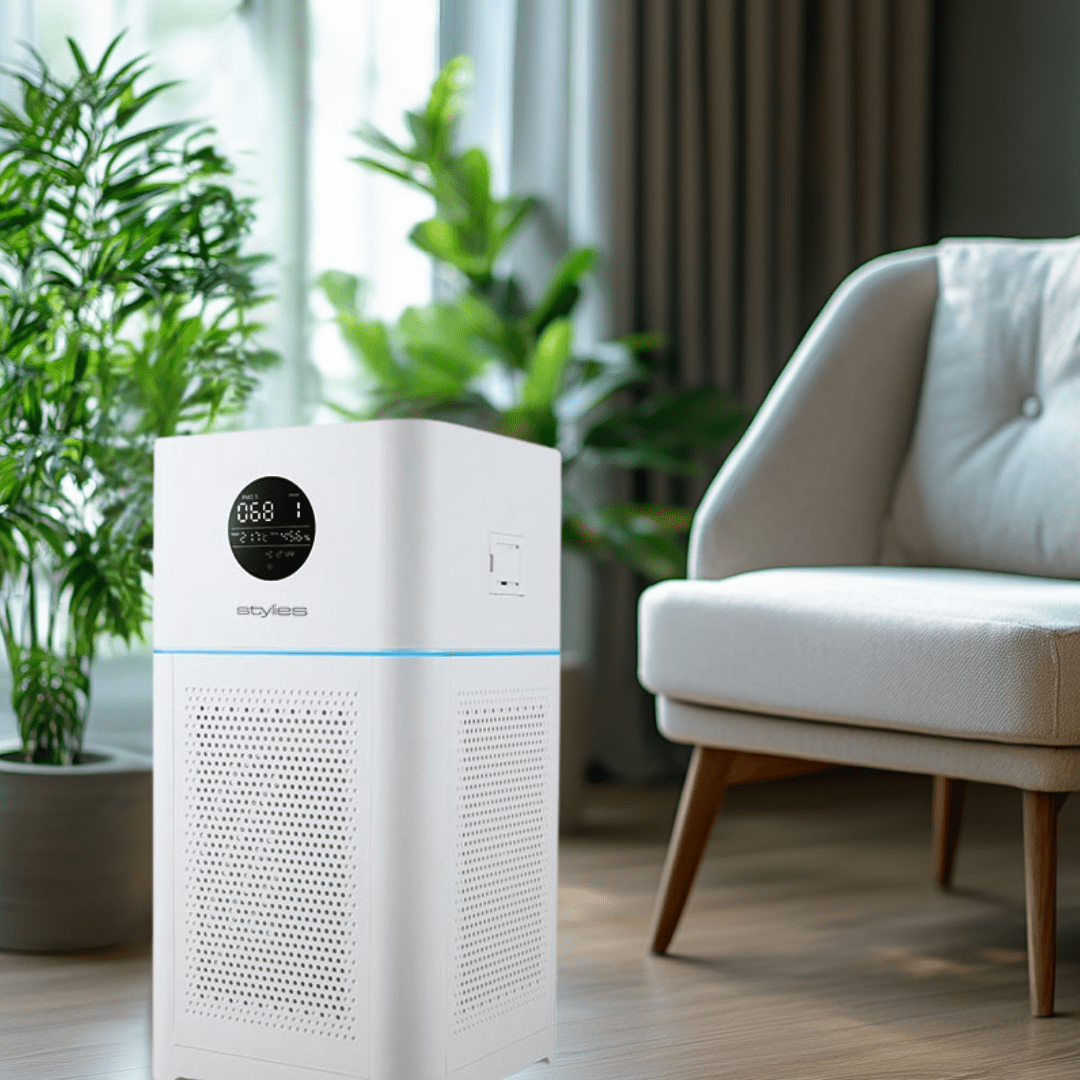
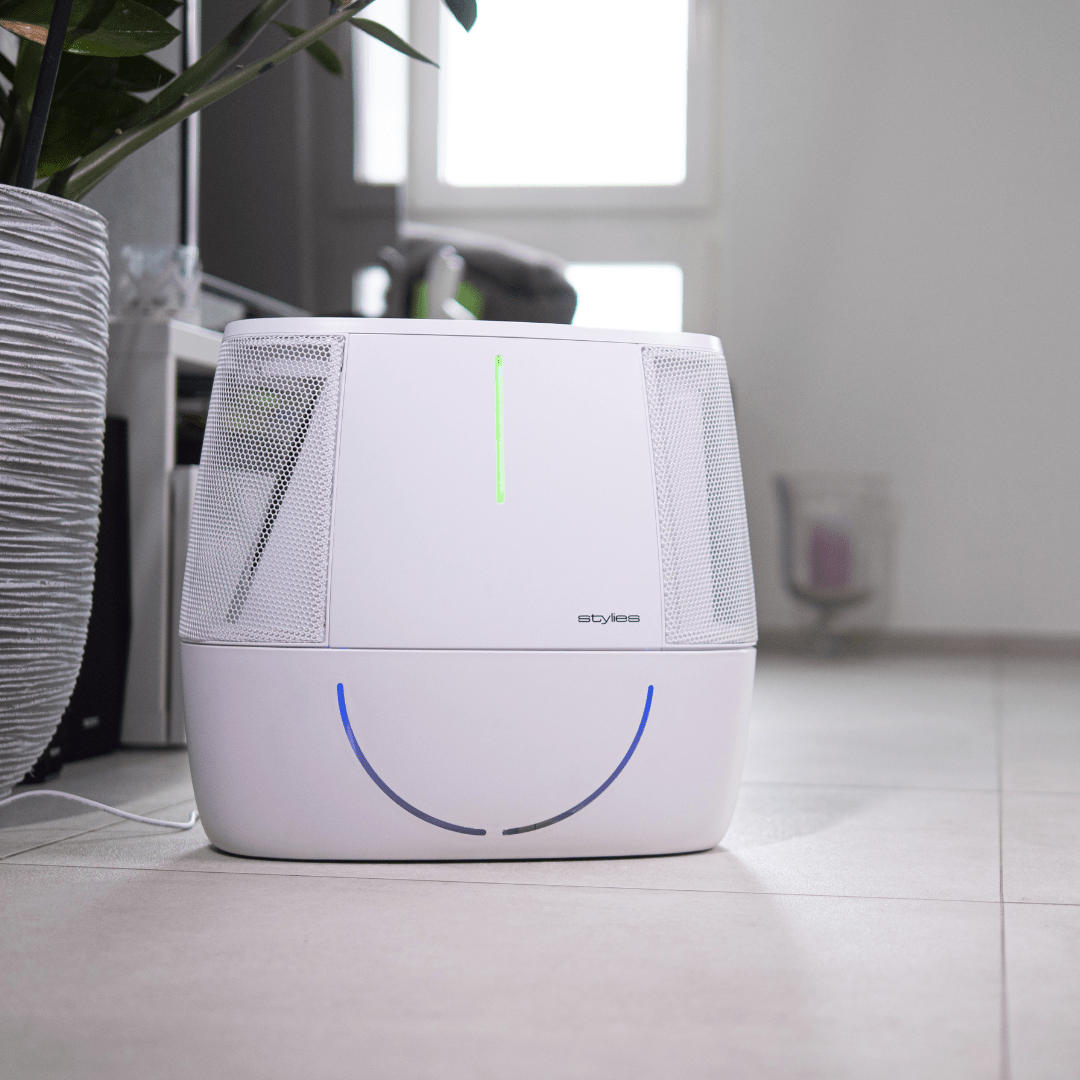
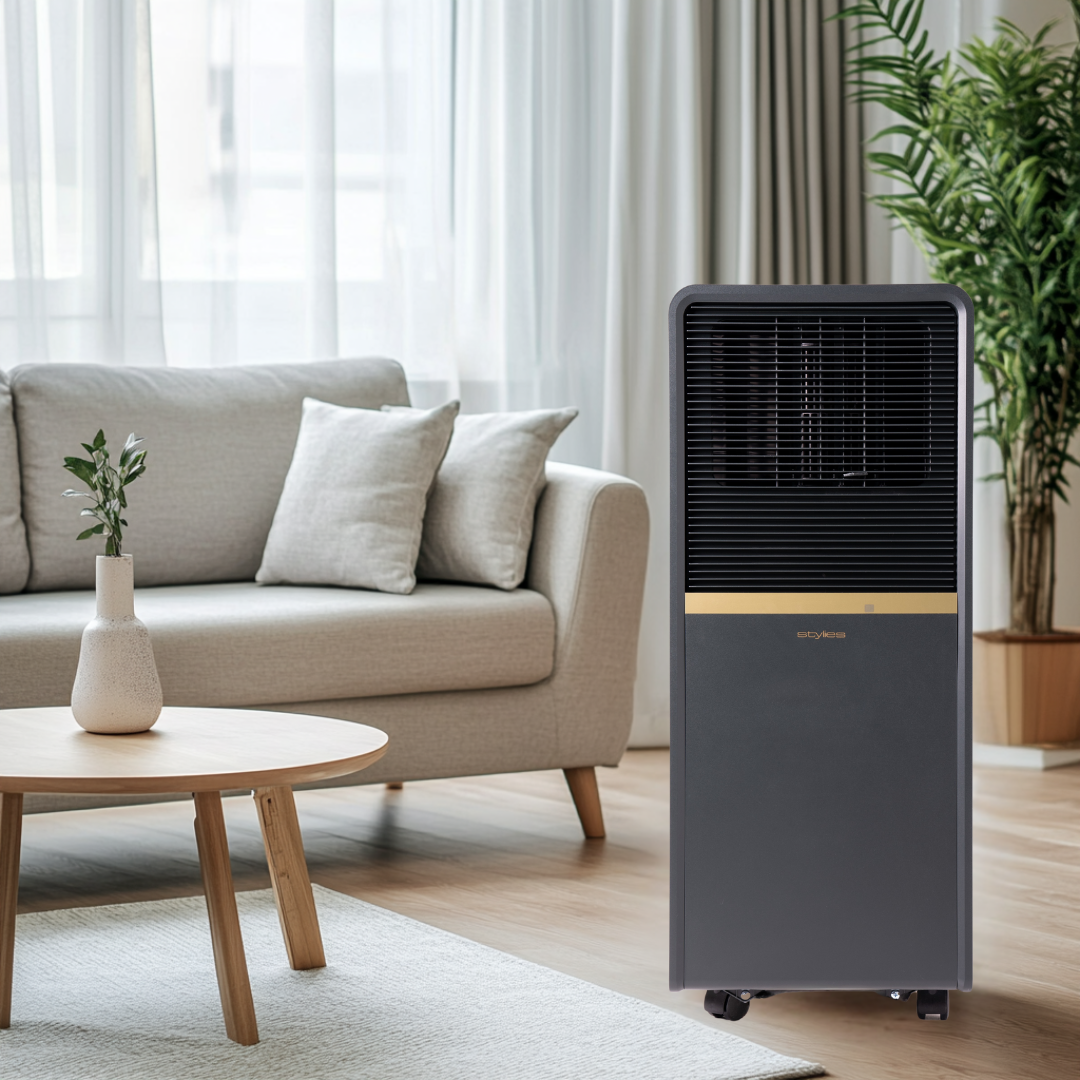
Stylies air purifiers are designed to purify indoor air quietly, efficiently and permanently.
Remember:
-
Start your device before the pollen peak
-
Pay attention to the room size and adapt the device to the required cleaning performance
-
Clean and replace filters regularly
Continuity beats activism.
A low-pollen home is no longer an option today, it is a prerequisite for quality of life.

But how do I choose the right air purifier now?
Before we get to air purifier models, here are three fundamental questions you should definitely ask:
-
How big is the room (in m²)?
→ Air purifiers must match the area and room volume. -
How strong is the pollution?
→ Mild allergies or seasonal complaints, or even severe symptoms such as asthmatic complaints. -
When will the device be operated?
→ Continuous operation for weeks or only selective use during peaks.
The concept:
CADR / m³/h (Cleaner Air Delivery Rate) tells you how much air a device can filter per hour. The higher, the more powerful, but also louder and more expensive.
What is the rule of thumb for air purifiers based on room size?
| Room type | Area | Recommendation |
|---|---|---|
| Bedroom | up to 15 m² | compact air purifier, quiet, continuous operation |
| Living/Dining room | 15–30 m² | medium performance, efficient throughput |
| Large living space / Open Space | 30–60 m² | high CADR, multiple devices or large device |
| Office & Meeting rooms | variable | modular approach |
Where performance ≠ loudness: Many modern devices run quieter if they filter efficiently.
Do you know what really matters when choosing filters for air purifiers?
HEPA filter (Must):
- Standard: H13
- Better: H14, for extremely sensitive individuals
HEPA captures 99.97% of pollen particles. That's not marketing, that's physics.
Activated carbon:
- Ensures odour & gas absorption
- Helps with fine dust crises (sensible across residential areas)
UV plasma and ionisers:
Often hyped as a unique selling point, but:
- UV has limited performance range
- Ionisers can produce ozone → not sensible for continuous use
Why is air purifier maintenance often underestimated?
A filter change is not optional. Filters must be replaced regularly, otherwise the filtering performance decreases and indoor air purification is no longer optimally guaranteed. Visual inspection and operating hours must be observed.
That's why I always recommend having spare filters at home.
Do you know the Stylies air purifiers?
The Stylies models remove allergens, dust, fine dust and viruses. You can find more about the air purifier models → here.
Expertise & Author
This article was created in cooperation with Stylies, the Swiss manufacturer of high-quality climate control devices, and Daniel Gwerder.
Daniel Gwerder, CDO of Salesbroker GmbH has been an expert in health and indoor climate for over 20 years and shares his knowledge in a well-founded, understandable and practical way.
You can find more about Daniel on LinkedIn