
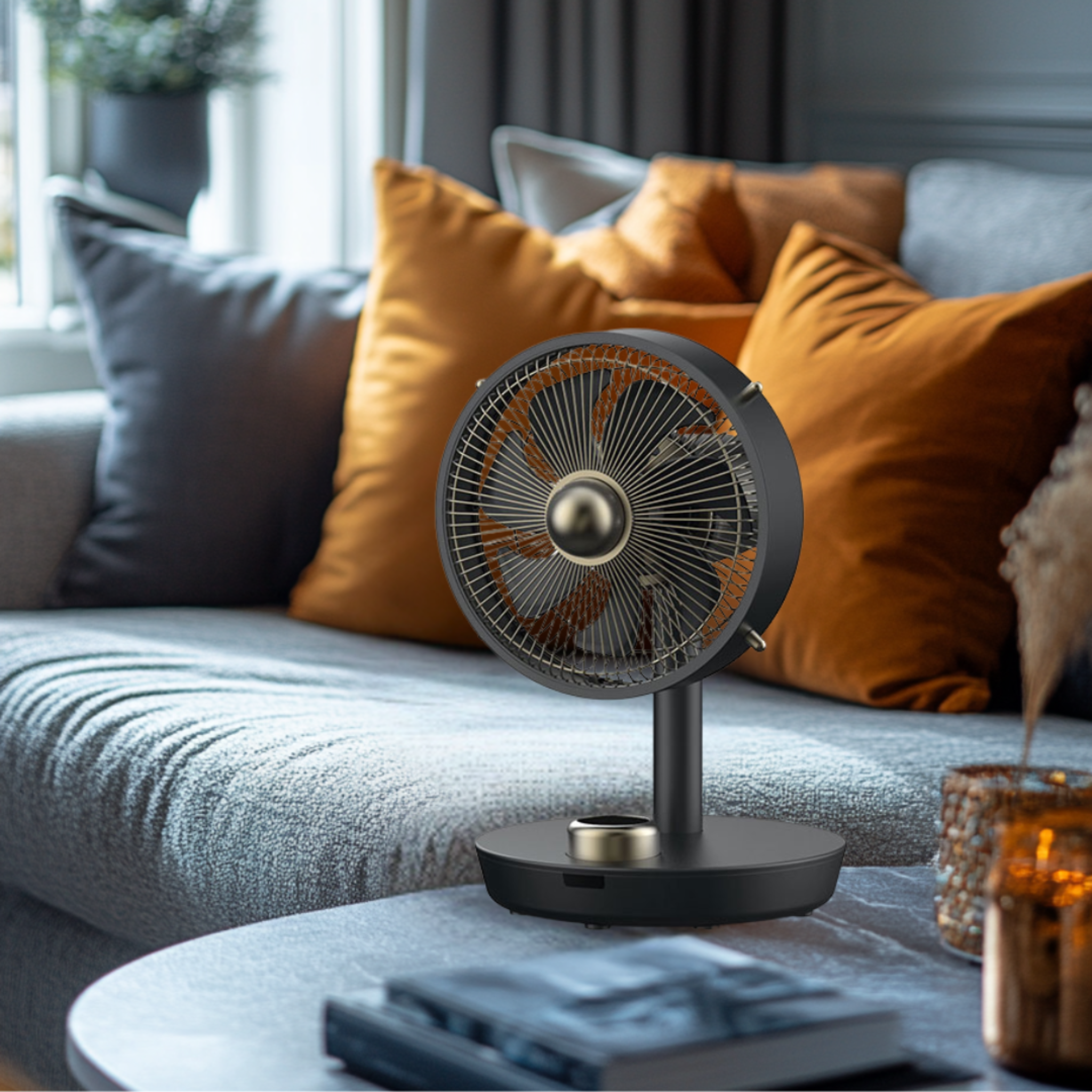


From poor indoor climate to a comfortable climate
How does humidity affect sleep quality, and what is considered an optimal level?
We spend two-thirds of our lives indoors.
Studies show that indoor air is often more polluted with harmful substances than outdoor air. For a good indoor climate, it is therefore crucial to identify and reduce these pollutants. Those who want to improve indoor air quality or improve the indoor climate must first understand the causes of poor air quality.
Numerous disturbances to well-being and illnesses are often attributed to a poor indoor climate. Indoor pollutants are generally considered critical when children and adolescents, as well as immunocompromised and allergic individuals, are affected. A good indoor climate contributes to prevention and helps to ensure an optimal indoor climate.
Pollutants in indoor air can no longer be completely avoided today. However, they can be reduced, for example, through air purification – an effective step towards a good indoor climate. Regular ventilation also helps to improve indoor air and remove pollutants from the air.
Key Indoor Air Pollutants Briefly Explained
On the one hand, pollutants enter indoor spaces from outdoor air, for example, through road traffic. On the other hand, indoor air can be contaminated by furnishings, building materials, paints and varnishes, or floor coverings, as well as by our own activities (breathing, smoking, cooking, etc.). Flu and other illnesses also affect indoor air quality by exhaling aerosols. All these factors impair a good indoor climate and are responsible for poor air.
Viruses and Bacteria
Millions of viruses are present in the air and on surfaces and can be easily transmitted through simple contact. Body fluids, such as saliva or mucus, are spread as tiny droplets in dry air by coughing or sneezing.
Scientists have found that viruses can travel up to several meters when coughing or sneezing and remain in the air for up to 10 minutes. On surfaces, they can survive for up to four hours at room temperature. In high humidity, indoor air provides an even greater breeding ground for bacteria.
Therefore, it is important to regularly clean and disinfect everyday objects and furniture and to briefly ventilate rooms several times a day. This automatically improves air quality to good air – and supports a good indoor climate. Anyone who wants to improve indoor air should make this a daily routine to ensure the quality of indoor air in the long term.
Pollen and Mites

Flower pollen is the trigger for the most common allergy, hay fever. A single flower can produce millions of pollen grains. The wind often carries them hundreds of kilometers and blows them into every room. If inhaled, they stick to the mucous membranes in the mouth and nose. If the air is too dry, the effect is even worse. Their proteins trigger the well-known allergic reactions. Pollen that most frequently triggers allergies includes:
- Grass pollen
- Grain pollen, especially rye
- Tree pollen, especially birch, hazel, and alder
- Herb pollen
However, not only pollen carried in from the outside air can cause problems; mites (especially dust mites) also primarily live in mattresses and can cause severe allergic reactions. A targeted approach helps to reduce pollutants from the air.
👉 Learn more about pollen allergy and practical tips here
Avoid Contact
When ventilating rooms, make sure to open windows when there is little pollen in the air. This is in the early morning hours in the city and in the evening in the countryside. And daily vacuuming or damp wiping removes pollen from the apartment and reduces house dust. When buying a vacuum cleaner, look for special filter systems that can retain fine particles. Otherwise, vacuuming is a pure particle sprayer!
Pollen count around the house can be somewhat reduced if the lawn is kept as short as possible so that the grass cannot bloom. These measures help to maintain a good indoor climate and improve indoor air quality.
Typical sources of dust in living spaces can be carpets, an open fireplace, a tumble dryer, tobacco smoke, candles, printers, or vacuum cleaners – and thus directly negatively impact a good indoor climate. Those who specifically want to improve indoor air quality should identify and avoid these sources.
Many dust sources come directly from the living environment and thus burden your indoor air quality.
One of the number one dust sources is ourselves: everyone loses about 1–2 grams of dead skin cells per day, and these account for 80% of the dust. Consistent cleaning can remove many pollutants from the air and increase the quality of indoor air.
Dust from the Outside Air
This dust mainly comes from tire abrasion, exhaust fumes, and industrial processes. Through windows and doors, this dust directly enters our rooms. To improve the indoor climate, regular ventilation and the use of air purifiers are recommended.
Whether from outside or inside – dust reduces the quality of indoor air. Outdoor air quality is almost always better than indoor, so regular ventilation is necessary to maintain a good indoor climate.
Odors
Odors in rooms can lead to discomfort and represent a health risk. They settle in clothes and furniture and significantly worsen the indoor climate.
Mold Spores
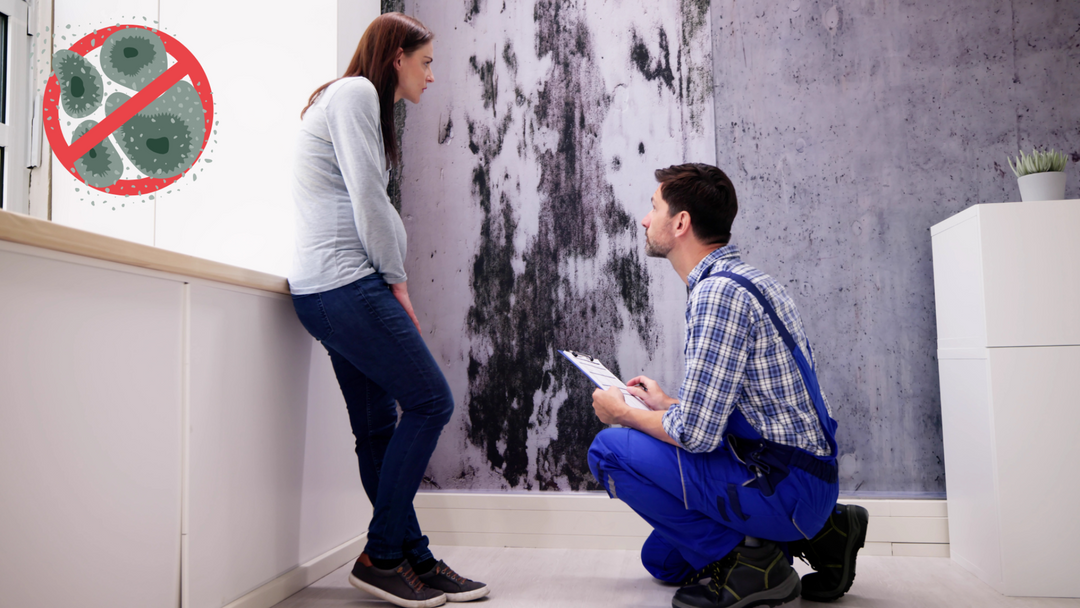
Mold is a common problem and occurs due to excessively high air or material moisture. Often hidden, it can severely pollute indoor air. Anyone who wants to improve the indoor climate should act early – for example, by measuring, removing mold, and adjusting ventilation habits.
Optimal Humidity in Indoor Spaces

What does the optimal humidity in your own four walls look like, and what happens when it's not right?
Air with 40 to 60 percent humidity has a direct impact on the indoor climate:
If the indoor air humidity is below 40 percent, it is clearly too low. This negatively affects our well-being, leads to sleep disturbances and snoring problems. Respiratory tracts and eyes are also affected, as the mucous membranes are not sufficiently moisturized. With humidity that is too low, the skin becomes tight and flaky.
Flu viruses survive longer in air that has too little moisture, and the risk of infection increases. Musical instruments, wooden furniture, paintings, and parquet floors also suffer from persistently low humidity. They warp and are damaged.
If the humidity meter shows a value above 60 percent, this will eventually lead to mold. Mold can cause respiratory problems, eczema, or allergies. In addition, dust mites thrive in excessively humid indoor air. Too much relative humidity can also lead to sleep problems and is particularly unpleasant on hot days because the indoor air becomes stuffy. Therefore, the humidity in the apartment should be consistently below 60 percent.
👉 Learn more about optimal humidity in living spaces here
Optimal Humidity & Temperature by Room
| Room | Optimal Humidity | Optimal Temperature |
|---|---|---|
| Living and working rooms | 40-60% | 20-22°C |
| Bedroom | 40-60% | 16-18°C |
| Children's room | 40-60% | 20-23°C |
| Kitchen | 50-60% | 18-20°C |
| Bathroom | 50-70% | 20-23°C |
| Cellar | 50-65% | 10-15°C |
From our own experience, we recommend creating a good indoor climate
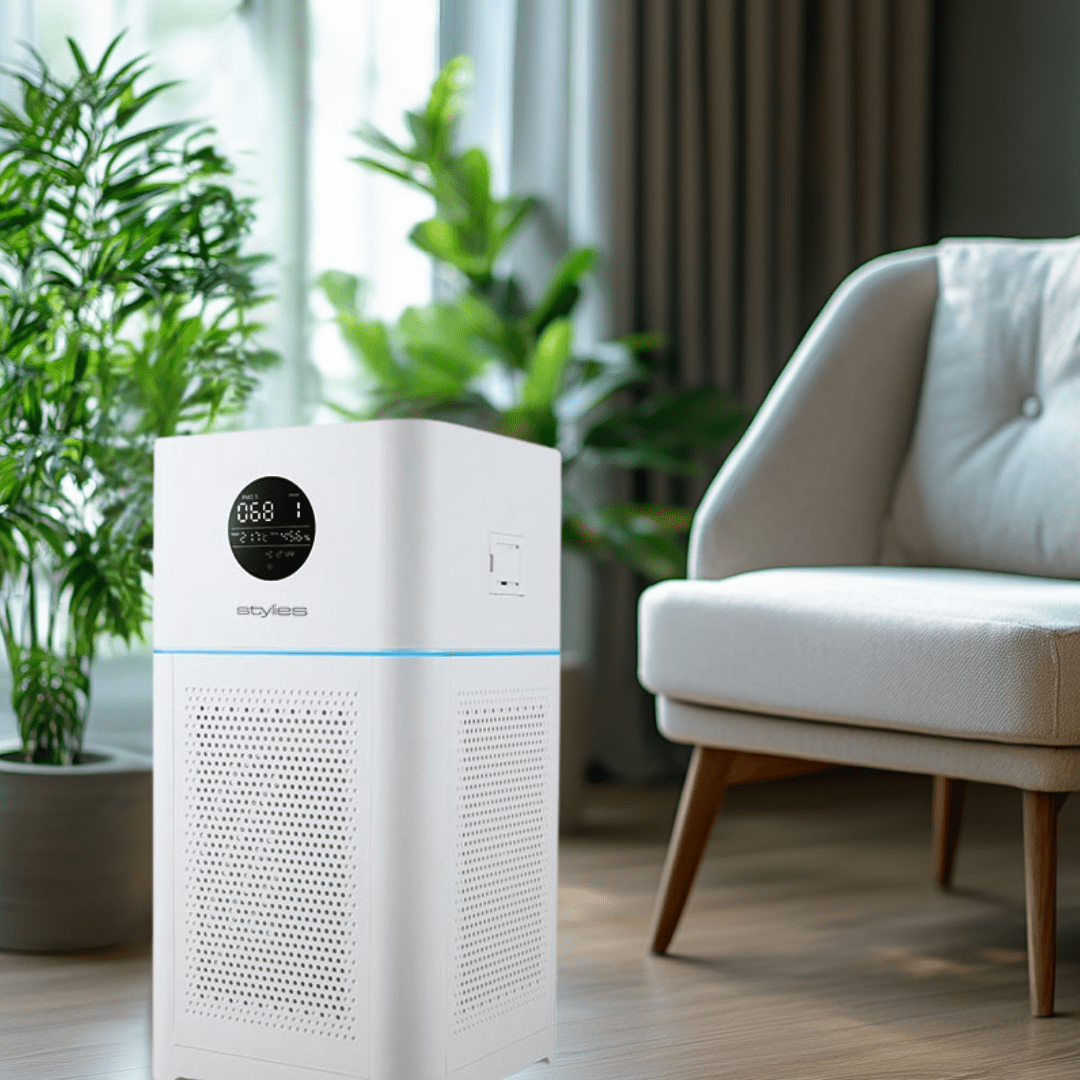
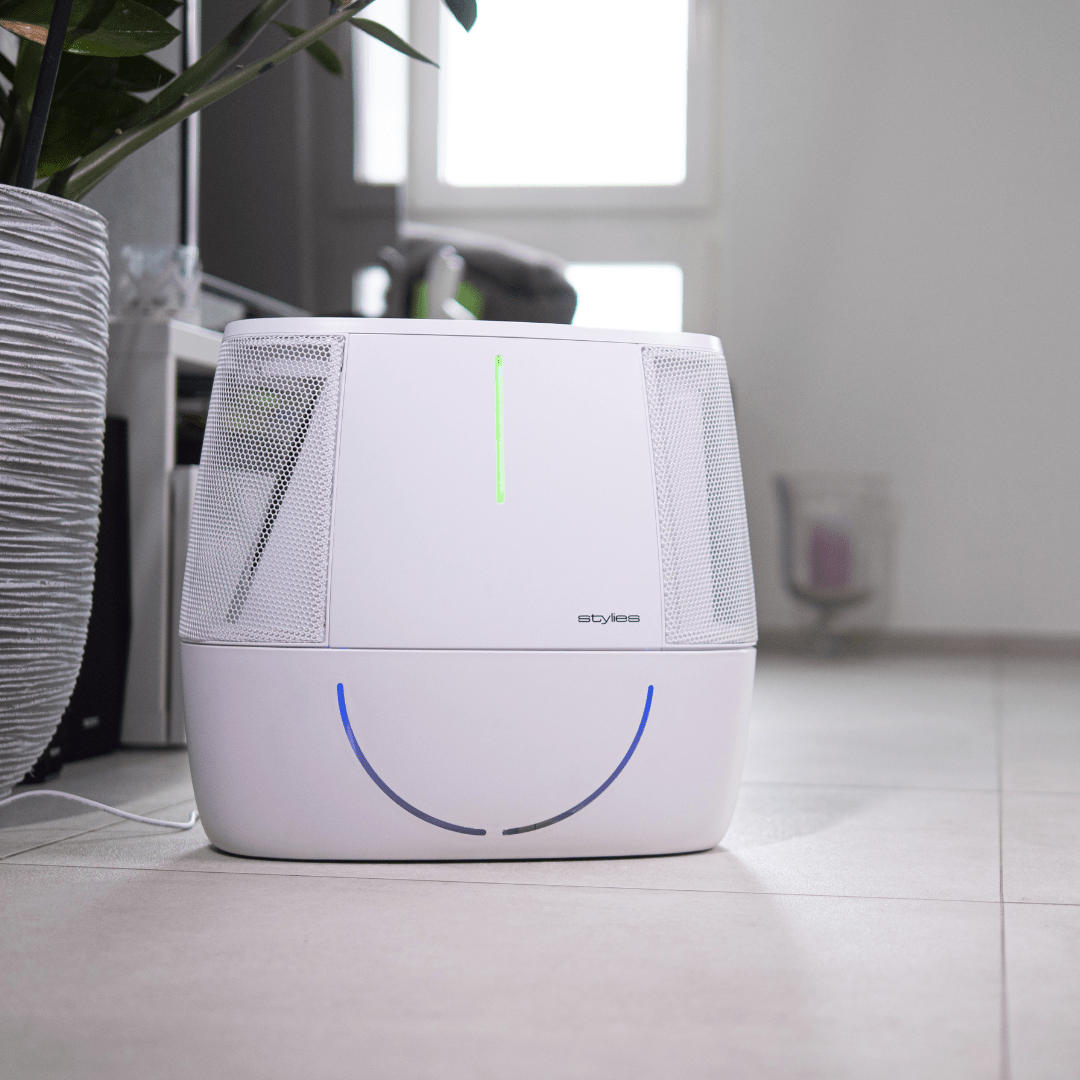
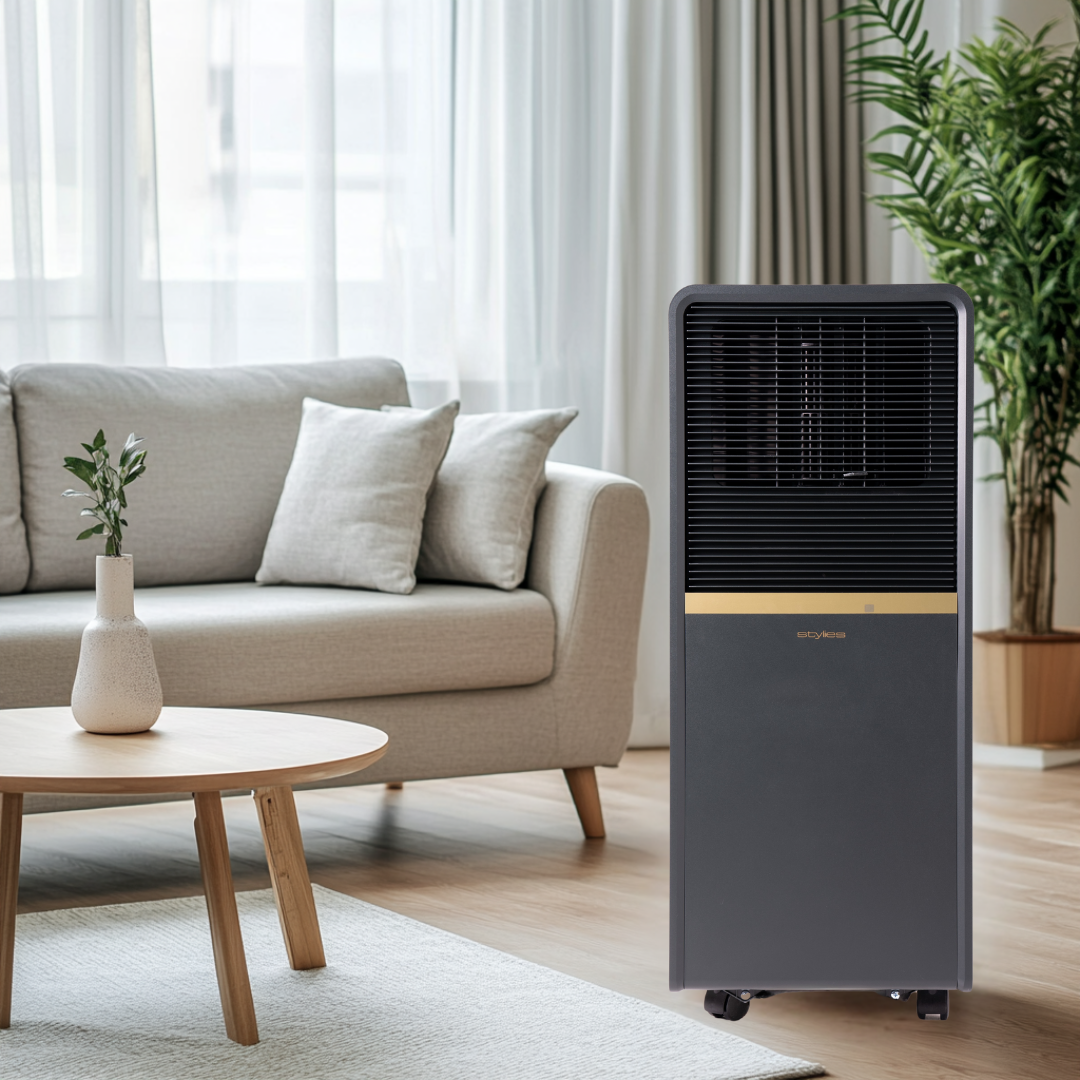
Use air purifiers with multi-layer filter systems. This allows you to specifically filter pollutants from the air, increase the quality of indoor air, and influence the indoor climate. This sustainably supports your health and creates a long-term good indoor climate. Houseplants are also a good home remedy that produce oxygen and are important for good air exchange and good indoor air. The combination of proper ventilation and good humidity in your own home helps against poor indoor air.
Expert knowledge from Stylies, the Swiss manufacturer of high-quality climate control devices, in cooperation with Daniel Gwerder of Salesbroker GmbH

For over 20 years dedicated to healthy indoor air, Daniel shares his profound knowledge here – understandable, preventive, and practical.
👉 More about Daniel can be found on LinkedIn
👉 Discover Stylies climate control devices on Stylies